

Discovering Moroccan Arts and Crafts : Embarking on an Arabic Immersion Artisanal Adventure
Author: Bre Pyfrom
Nestled at the crossroads of Africa, Europe, and the Middle East, Morocco offers a vibrant cultural tapestry reflected in its arts and crafts. From the bustling markets of Marrakech to the serene Atlas Mountains, the local art scene showcases the country’s rich history and diverse influences. In this blog post, we will embark on an arabic immersion experience, exploring Moroccan arts and crafts, unique traditions, and the stories woven into each masterpiece.
Marrakech: The Red City’s Creative Soul
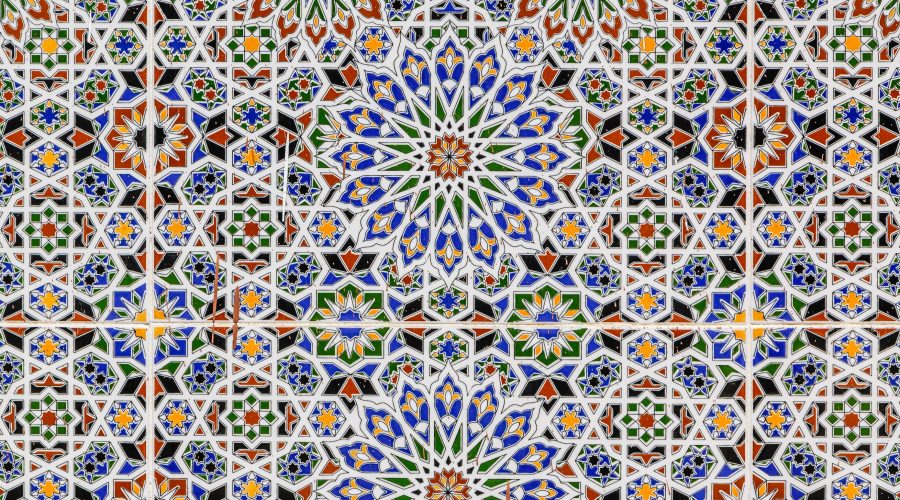
Marrakech, often called the “Red City” for its distinctive sandstone buildings, pulses with life and creativity. At its heart lies the bustling souks, where artistry thrives. These markets are more than shopping spots—they provide an arabic immersion experience. Here, visitors encounter a vibrant array of handmade crafts, textiles, and pottery. The Berber carpets, with vivid colors and geometric patterns, reveal the heritage of local artisans.
The carpets often tell stories passed down through generations. Walking through the medina, narrow alleys reveal treasures of textiles and ceramics. Each turn offers a new discovery. Moreover, the souks combine colors, scents, and textures, creating a fully immersive sensory experience. 
Berber Carpets and Souks : A Visual Arabic Immersion
Berber carpets carry both functional and cultural significance. They feature diamonds, triangles, zigzags, and other geometric motifs. These shapes reflect aspects of daily life, spirituality, and nature. Artisans skillfully extract natural colors to craft bright and intentional patterns. Each rug becomes a story, connecting the weaver to the rich history of Morocco.. 
These rugs, often made using traditional techniques passed down through generations, feature intricate geometric patterns and vibrant hues. Each carpet tells a story, reflecting the heritage and narratives of the Berber people, making them not just decorative items but living expressions of cultural identity.
While walking through the Medina, there was a pocket where I was surrounded by beautifully crafted tapestries with naturally dyed thread ranging from bright reds and yellows to deep greens and blacks. The fabrics were heavy but soft and carefully crafted. It was enlightening learning how the craftsman extracted such bright colors from the environment around them to decorate and design intricate and intentional patterns. Geometric patterns are a hallmark of Berber carpets, reflecting the cultural and spiritual beliefs of the Berber people. Traditional motifs often include
 diamonds, triangles, zigzags, and other geometric shapes. These designs are not just aesthetically pleasing; they also carry symbolic meanings, representing aspects of nature, spirituality, and daily life. The carpets, therefore, serve as both functional decor and carriers of cultural stories.
Zellige and Tanneries: Expanding Your Arabic Immersion
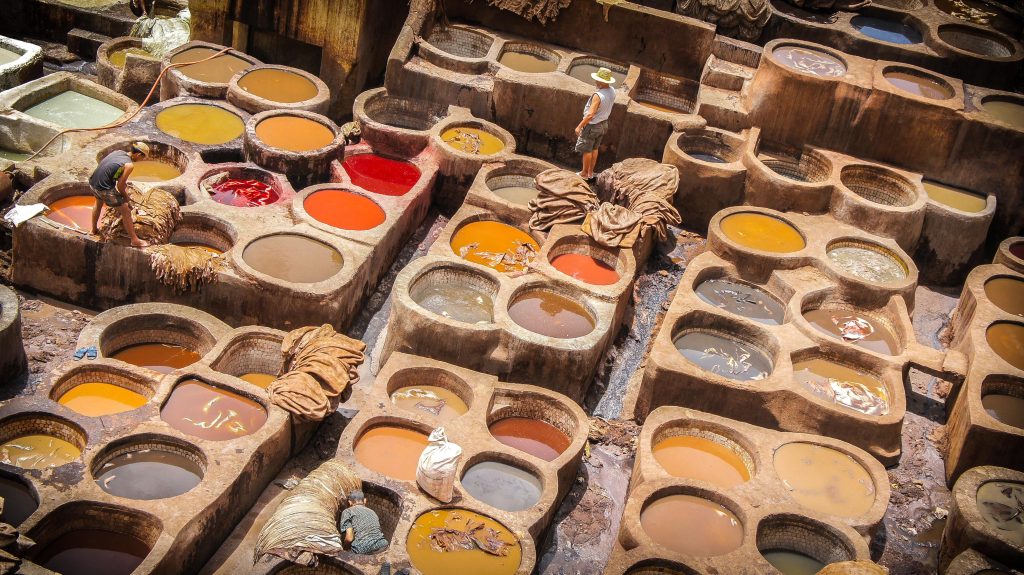
Additionally, Fes offers a glimpse into leather craftsmanship. The tanneries, with vibrant dyes and skilled artisans, create leather goods ranging from bags to slippers. Visiting these workshops offers a deep arabic immersion experience, connecting language learning with cultural exploration. elements.
Conclusion: A Living Artistic Heritage
Explore the vibrant tapestry of Moroccan arts and crafts with me, celebrating the rich heritage woven into each masterpiece.

Best Places to Visit in Rabat to Practice Your Arabic or Darija
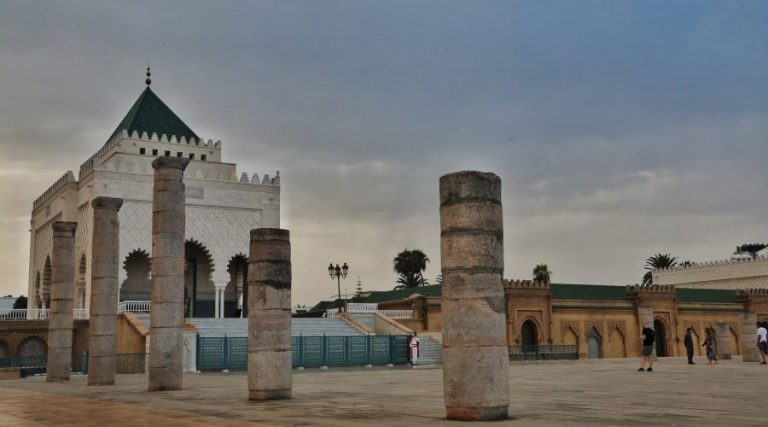
If you’re planning to study Arabic in Rabat, the best way to reinforce your language learning is by immersing yourself in
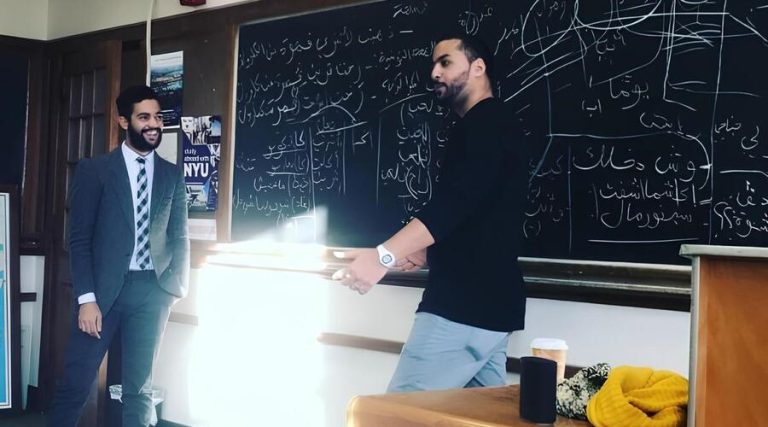
Study Arabic in Morocco: A Guide to Classical Arabic vs. Darija
The Differences Between Classical Arabic and Darija: How to Choose Between the Two? For anyone planning to study Arabic in
10 Essential Darija Phrases Every Traveler Should Know Before Visiting Morocco
When traveling to Morocco, learning a few key expressions in Darija, the Moroccan Arabic dialect, can make a world of