

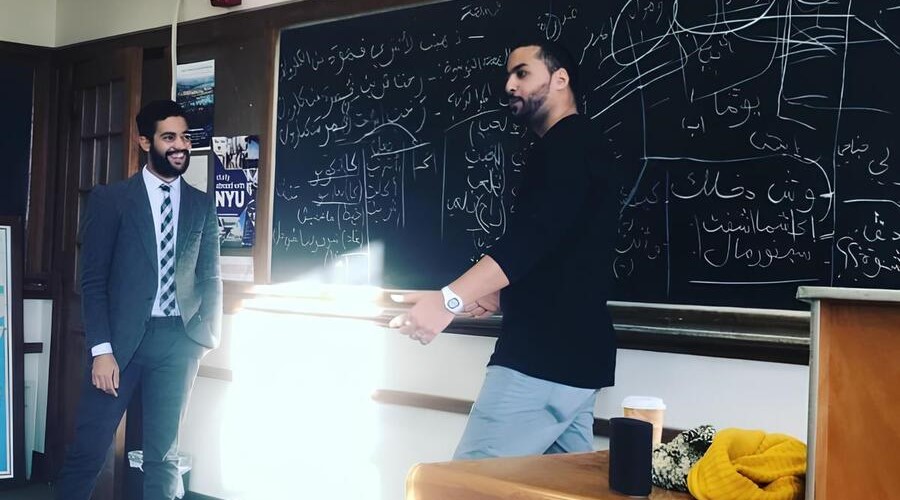
The Differences Between Classical Arabic and Darija: How to Choose Between the Two?
For anyone planning to study Arabic in Morocco, one of the first choices to make is between Classical Arabic (Modern Standard Arabic) and Darija, the Moroccan dialect. Both forms play an important role. However, they serve different purposes and meet different learning goals.
This article explains the key differences to help you choose the path that fits your needs.
Classical Arabic (Modern Standard Arabic)
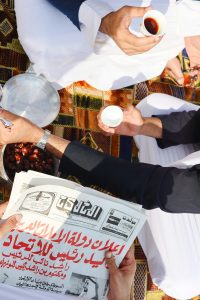 Classical Arabic, also called Modern Standard Arabic (MSA), is the standardized form of Arabic used across the Arab world. People use it in formal communication, including media, education, government, and literature. For example, newspapers, official speeches, and academic texts rely on MSA.
Grammar and Vocabulary
MSA follows a clear grammatical system and uses a wide range of vocabulary. At first, this structure can feel demanding for beginners. Its roots lie in Quranic Arabic, which explains its formal tone.
Nevertheless, learning Classical Arabic remains essential for anyone interested in literature, formal writing, or regional communication. When you study Arabic in Morocco, a solid foundation in MSA strengthens your overall language skills.
Everyday Use
Although most Arabic speakers understand MSA, they rarely use it in daily conversation. Instead, people reserve it for formal settings such as lectures, news broadcasts, and religious events.
Darija: The Moroccan Dialect
Darija is the dialect spoken throughout Morocco. It blends Arabic with Amazigh, French, and Spanish influences. Unlike MSA, people use Darija every day. You hear it in markets, cafés, homes, and informal conversations.
Grammar and Vocabulary
Darija uses a more flexible grammar than Classical Arabic. Speakers simplify sentence structures and often skip formal rules. Its vocabulary reflects Morocco’s history and cultural diversity, which gives the dialect its unique character.
Everyday Use
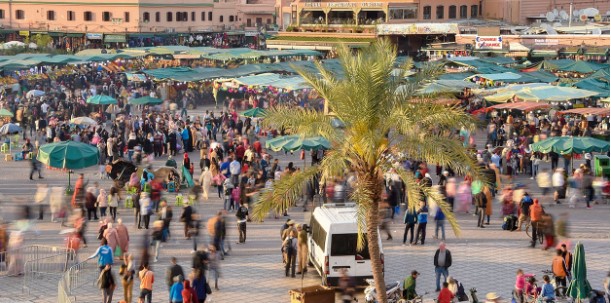
If your goal is social integration, Darija becomes essential. Learning Darija helps you communicate naturally with locals. It also makes daily life easier, from shopping in the souks to chatting with neighbors. Many students who study Arabic in Morocco choose Darija for this reason.
Blended Arabic: Balancing Both Worlds
Many learners choose to combine Classical Arabic and Darija. This approach offers the best of both worlds. On one hand, MSA provides structure and regional understanding. On the other hand, Darija builds real-life communication skills.
For instance, you might read the news in Classical Arabic. Later, you may switch to Darija when speaking with friends. At Roots Academy, we support this blended method for students who study Arabic in Morocco and want balanced progress.
Which One Should You Choose?
Your choice depends on your goals. If you focus on academics, formal writing, or professional communication, Classical Arabic makes sense. In contrast, if you want cultural immersion and daily interaction, Darija works better.
Many learners start with Classical Arabic and then add Darija. Others study both at the same time. Both paths remain effective.
Conclusion
There is no single right way to study Arabic in Morocco. Classical Arabic and Darija each offer valuable benefits. By understanding how they differ, you can shape a learning journey that matches your objectives. Whether you choose one form or both, Morocco offers a rich environment for meaningful language growth.

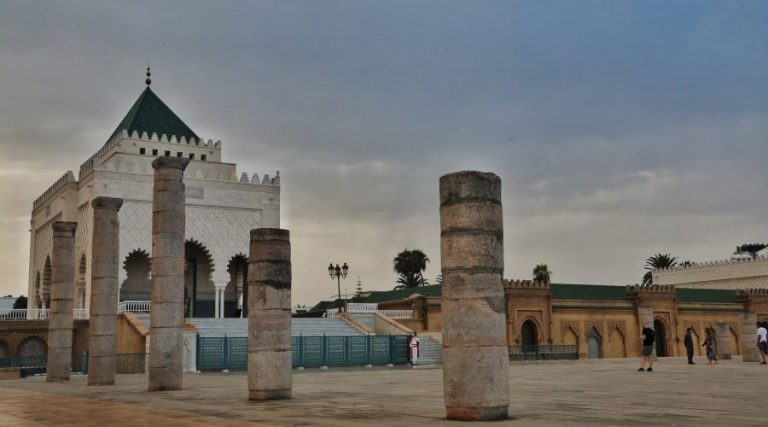
Best Places to Visit in Rabat to Practice Your Arabic or Darija
If you’re planning to study Arabic in Rabat, the best way to reinforce your language learning is by immersing yourself in

Study Arabic in Morocco: A Guide to Classical Arabic vs. Darija
The Differences Between Classical Arabic and Darija: How to Choose Between the Two? For anyone planning to study Arabic in
10 Essential Darija Phrases Every Traveler Should Know Before Visiting Morocco
When traveling to Morocco, learning a few key expressions in Darija, the Moroccan Arabic dialect, can make a world of