

Exploring Morocco’s Transportation Tapestry
Author: Bre Pyfrom
Embarking on a journey through Morocco is like stepping into a tapestry of culture, history, and hospitality. However, navigating the web of public transportation was not without challenges. Through crowded medinas, linguistic puzzles, and the unpredictable flow of “Moroccan time,” each hurdle became a chapter of my travel story.
 As I stood on the bustling streets of Rabat, the variety of transportation options overwhelmed me. Grand taxis, petit taxis, buses, and trains all came with different rules. Negotiating a grand taxi tested my patience, as these shared vehicles only departed when full. Haggling with petit taxi drivers for short rides became a blend of gestures and broken Arabic. Yet, through the chaos, I learned to embrace the adventure woven into Moroccan transport. Shared taxis became communal spaces, filled with animated conversations. In the end, the journey itself became an integral part of my exploration.
Harmony of Gestures: Communication and Time in the Moroccan Arabic Learning Experience
Navigating a multilingual society meant language barriers were inevitable. English was understood to some extent, but deeper conversations required Arabic or Tamazight. Asking for directions or explaining details often became a puzzle. In the absence of fluency, I relied on gestures. A smile, a nod, or a wave became my vocabulary. Moroccans, with their warmth and openness, responded in kind. As a result, potential obstacles turned into bridges of understanding, and non-verbal communication blossomed into spontaneous friendships.


Rabat’s Tranquil Integration: A Unique Arabic Learning Experience
While Marrakech dazzles with color and sound, navigating its medina can be challenging. Casablanca’s sprawling landscape often demands taxis. In contrast, Rabat offers a blend of convenience and calm. The trams glide with rhythmic precision, following schedules while still preserving the city’s relaxed character. Throughout the day, trams arrive every five minutes, and later, every 10 to 15 minutes into the night. For learners, this balance creates an ideal Arabic learning experience rooted in daily life rather than theory.
Embracing Challenges Through Arabic Learning Experience

Public transportation frequently involves weaving through the medinas. Narrow streets, scooters, carts, and pedestrians create a maze of movement. Yet, wandering these pathways revealed the essence of Moroccan life. Each turn offered new scenes: local artisans at work, fragrant spice stalls, and small cafés serving mint tea. Asking locals for directions not only guided me through unfamiliar streets, but also opened the door to genuine connections and insider tips that no guidebook could offer.
In conclusion, transportation in Morocco may present challenges, but each obstacle becomes an opportunity for enrichment. By embracing the unexpected, connecting with locals, and adopting flexibility, the journey itself becomes the highlight. The challenges are not barriers; they are the threads that form a tapestry of cultural immersion and personal growth. Within Morocco’s transportation intricacies, I discovered not only the landscapes, but also the warmth and resilience of its people.

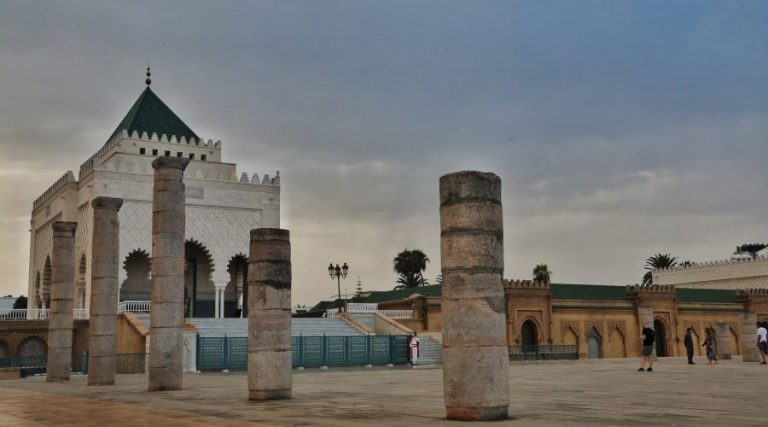
Best Places to Visit in Rabat to Practice Your Arabic or Darija
If you’re planning to study Arabic in Rabat, the best way to reinforce your language learning is by immersing yourself in

Study Arabic in Morocco: A Guide to Classical Arabic vs. Darija
The Differences Between Classical Arabic and Darija: How to Choose Between the Two? For anyone planning to study Arabic in
10 Essential Darija Phrases Every Traveler Should Know Before Visiting Morocco
When traveling to Morocco, learning a few key expressions in Darija, the Moroccan Arabic dialect, can make a world of